

Is It Okay to Have a One-to-One Ratio Bag?
Is It Okay to Have a One-to-One Ratio Bag?,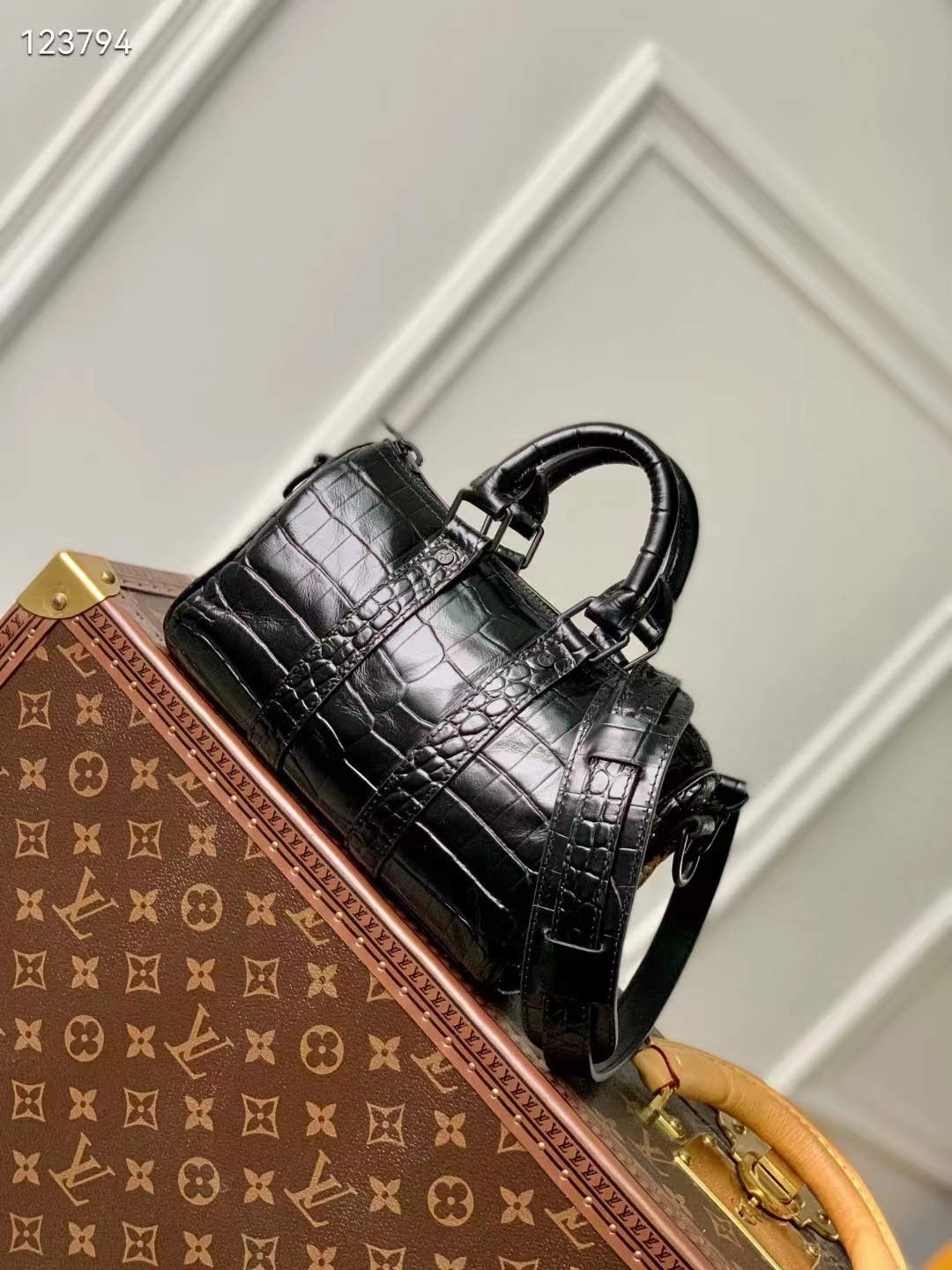
**Is It Okay to Compare with a One-to-One Ratio?**
Introduction
In the world of fashion, technology, or any other consumer goods, the concept of "one-to-one ratio" comparison often arises. When we talk about "一比一包", we refer to a mindset that aims to match or compete on an equal footing. Whether it's about comparing products, services, or even people, this article explores whether such comparisons are acceptable and what lies behind them.In the realm of consumer goods, a one-to-one ratio comparison might arise when someone is shopping for a new product, evaluating it against its competitors. It's a natural impulse to want to ensure you're getting the best value for your money. Comparing features, performance, and prices helps consumers make informed decisions. In this context, a one-to-one ratio means comparing like for like, ensuring a fair assessment.
However, the issue becomes more complex when the comparison extends beyond the product level. When it comes to personal achievements, relationships, or even self-worth, a one-to-one ratio comparison can lead to unnecessary pressure and anxiety. The human aspect is not always so straightforward. Each individual is unique and may excel in different areas. Comparing oneself with others in a one-to-one ratio can lead to feelings of inadequacy or disappointment.
The Fine Balance of Comparisons
While it's important to make comparisons to make informed decisions, it's crucial to strike a balance. A one-to-one ratio approach can be useful in specific contexts but not always applicable. Understanding the limitations and potential consequences of such comparisons is essential.
For instance, in business, a one-to-one ratio might be necessary when benchmarking performance against industry standards or competitors. In such cases, it helps businesses identify areas of improvement and stay competitive. However, focusing excessively on this ratio can lead to a narrow view of success, ignoring other important factors like brand reputation or employee satisfaction.
On the other hand, personal comparisons should be approached with caution. While it's healthy to have goals and aspire to achieve certain standards, comparing oneself in a one-to-one ratio with others can lead to unhealthy competitions and unnecessary stress. Embracing our unique qualities and acknowledging our own progress is more important than constantly aiming for external validation.
Conclusion
In conclusion, a one-to-one ratio comparison has its place in certain contexts, particularly when making informed decisions about consumer goods or benchmarking business performance. However, it's important to strike a balance and avoid excessive comparisons that might lead to unnecessary pressure and anxiety. Ultimately, it's about understanding our unique value and acknowledging our progress, rather than constantly aiming for external validation.When it comes to personal growth and relationships, the focus should be on self-acceptance, understanding our unique qualities, and celebrating our own progress. Comparisons can serve as motivation but should not be the sole measure of worth or success.
- Luxury Replica Jewelry: A Closer Look into the Trend.
- Top-Notch Luxury Women's Shoes Replicas Take Center Stage!
- How to Replicate Luxury Bag Accessories: A Guide to Quality Replication
- Luxury High-End Men's Pants Replication: The Ultimate Guide to Replicating Success
- Where to Find Luxury Replica Stores in Harbin City
- Luxury毛衣手工复刻价格探讨 或者简洁一点: 奢侈品毛衣手工复刻成本分析
- "Luxury Men's Shoes Replication: Live Streaming the Latest"
- "Luxury Replica Short-Sleeve Brands: The Ultimate Guide to High-End Fashion"