

Beijing Top Brands Replica Bags Store
Beijing Top Brands Replica Bags Store,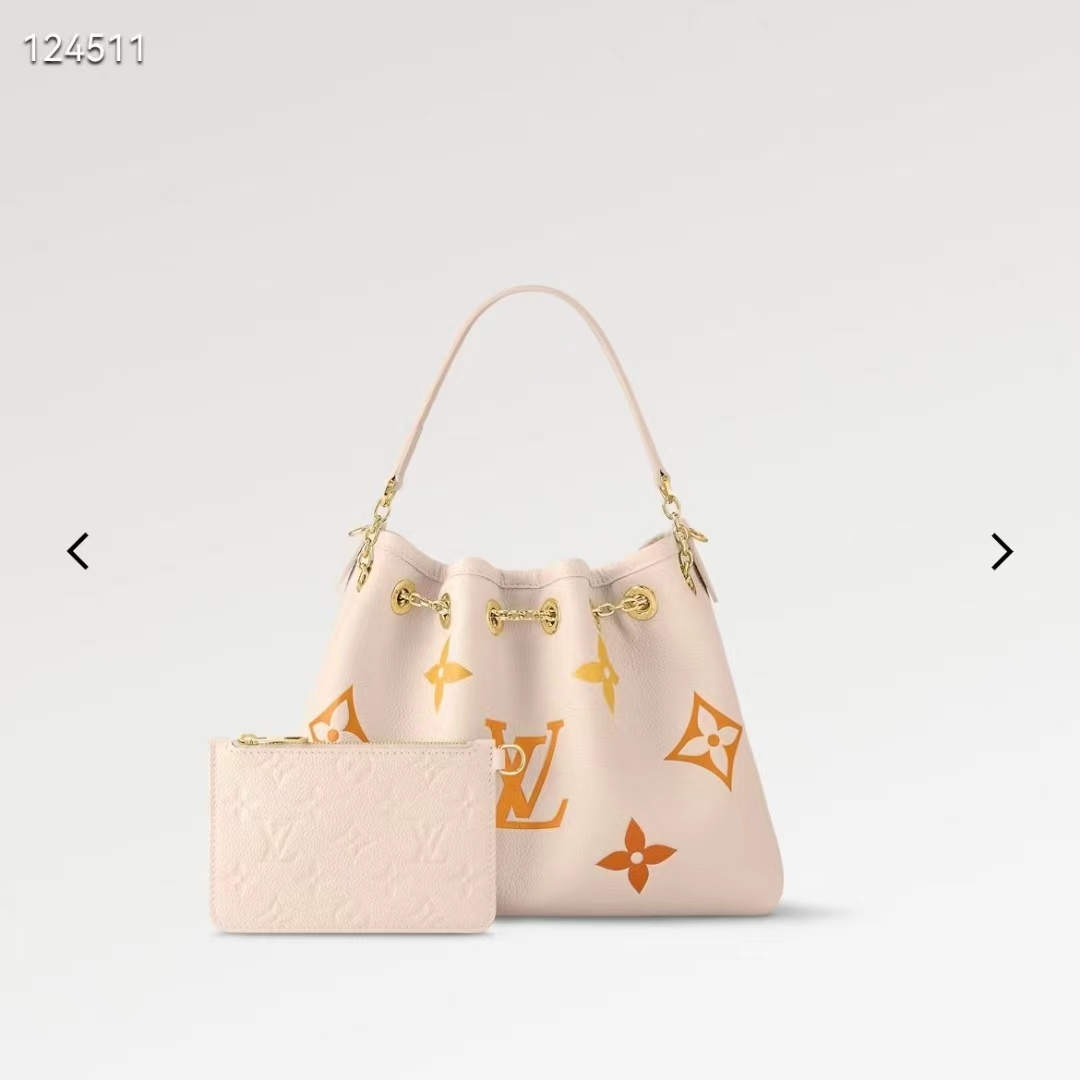
The Rise of Fake Goods: A Case Study of "One-to-One" Bag Stores in Beijing
Beijing, as the cultural and economic heart of China, is a melting pot of various brands and fashion trends. In recent years, a new phenomenon has emerged in the city - the proliferation of "one-to-one" bag stores, specializing in counterfeit goods that aim to replicate the high-end luxury brands. These stores have become a subject of controversy, attracting both criticism and attention from all corners.
The Growth of One-to-One Bag Stores
The rise of these "one-to-one" copycat bag stores is attributed to several factors. Beijing's vast consumer market, coupled with the high demand for luxury goods among the younger population, has created a lucrative opportunity for such ventures. These stores offer a lower-cost alternative to the original high-end products, attracting customers looking for a similar style or functionality without the high price tag.
However, the rise of these stores has also sparked debate about the ethical implications and impact on both consumers and genuine brands. While some consumers view these as affordable options, others see them as a threat to the authenticity and reputation of luxury brands.
For brand owners, the presence of these one-to-one stores poses a challenge to their intellectual property rights and brand value. The replication of designs and logos without authorization can tarnish their reputation and erode customer trust in their products.
Moreover, these stores often operate in a gray area of legal regulations, operating without proper licenses or permits. Their operation and growth raise questions about government regulations and enforcement measures in protecting both consumers and genuine brands.
On the other hand, for some consumers, these stores provide them with an affordable entry point into the world of luxury goods. While some may be aware of the risks associated with buying counterfeit products, they still opt for them due to limited budgets or a desire for a certain style.
However, it's important to note that buying counterfeit products has its own set of risks, including potential health hazards, lack of quality assurance, and legal implications if caught.
In conclusion, the rise of "one-to-one" bag stores in Beijing reflects a complex issue about consumer behavior, ethical implications, brand protection, and legal regulations. It's a topic that requires a multifaceted approach involving government policies, brand owners, consumers, and society as a whole.
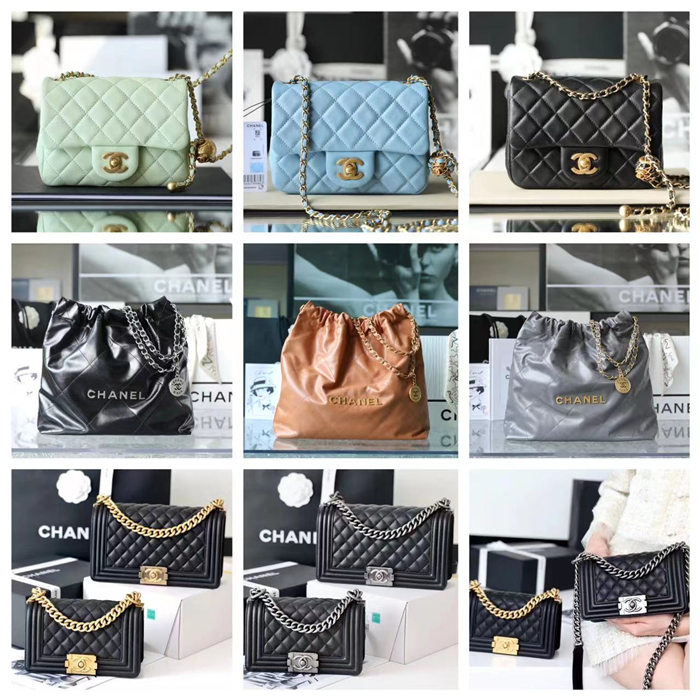
- Luxury Replica Jewelry: A Closer Look into the Trend.
- Top-Notch Luxury Women's Shoes Replicas Take Center Stage!
- How to Replicate Luxury Bag Accessories: A Guide to Quality Replication
- Luxury High-End Men's Pants Replication: The Ultimate Guide to Replicating Success
- Where to Find Luxury Replica Stores in Harbin City
- Luxury毛衣手工复刻价格探讨 或者简洁一点: 奢侈品毛衣手工复刻成本分析
- "Luxury Men's Shoes Replication: Live Streaming the Latest"
- "Luxury Replica Short-Sleeve Brands: The Ultimate Guide to High-End Fashion"