

Luxury Authenticity vs A-Grade Goods: Distinguishing the Difference.
Luxury Authenticity vs A-Grade Goods: Distinguishing the Difference.,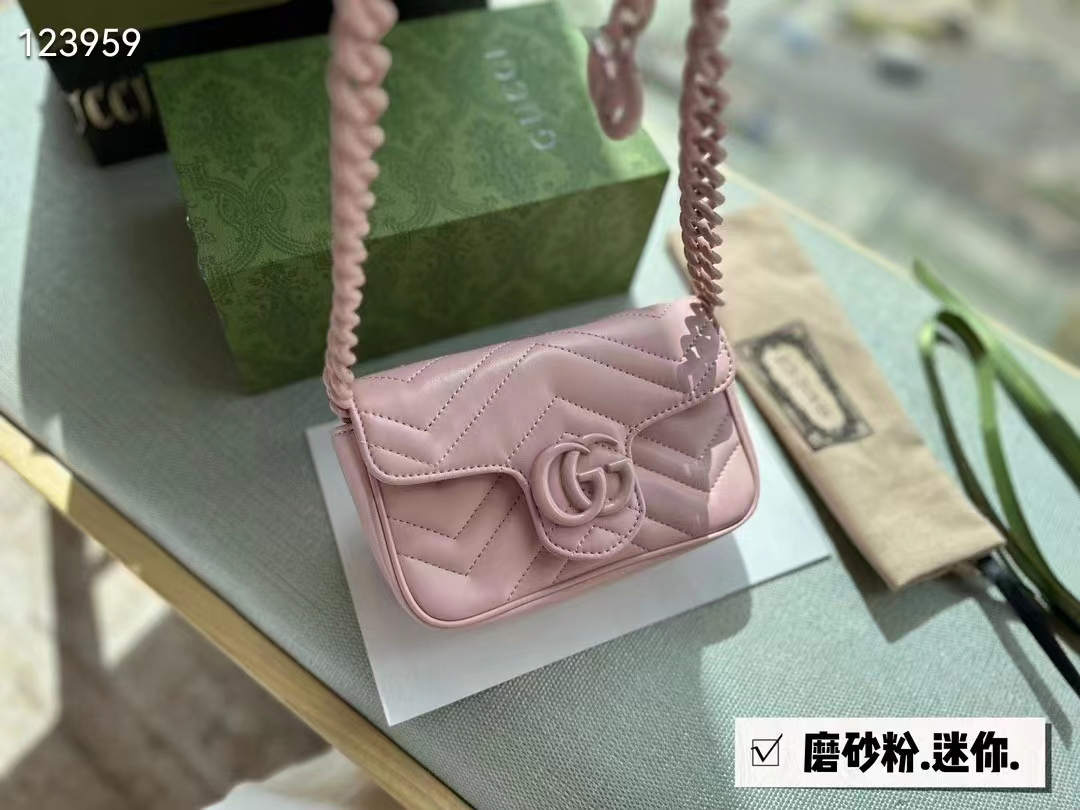
Title: Distinguishing Authentic Luxury Goods from A-Grade Quality Replicas
The rise of luxury goods and replicas in the modern market
In today's consumer culture, luxury goods hold significant appeal to many individuals as symbols of status, wealth, and quality. The allure of exclusive designs and high-end craftsmanship often draws people to purchase luxury items. However, with the surge in popularity of these goods, an industry of replicas has also emerged. These replica items often offer a close approximation of the original product at a lower price point, creating a complex landscape for consumers to navigate when trying to distinguish between authentic luxury goods and replicas labeled as A-grade quality.Firstly, authentic luxury goods are characterized by their high-quality materials, meticulous craftsmanship, and attention to detail. These products are often backed by a brand's reputation and are accompanied by certification documents, such as authenticity cards or serial numbers. Moreover, they come with a certain level of brand heritage and storied history that adds to their value. When purchasing from authorized dealers or directly from the brand, consumers have a higher chance of acquiring genuine products.
Key considerations in identifying authentic luxury goods vs. A-grade replicas
When it comes to A-grade replicas, the line between them and genuine luxury goods becomes blurrier. A-grade replicas are typically designed to mimic the authentic product closely in terms of design, material, and overall appearance. However, there are several factors that can help consumers make a more informed decision:Firstly, the quality of the materials used in A-grade replicas is often comparable to that of the original. However, even the most meticulous replicas cannot replicate the exact feel and texture of genuine luxury materials. For instance, leather in an authentic luxury bag may develop a unique patina with age and wear, while replica leather may not age as gracefully.
Secondly, the price is often a clear indicator of authenticity. While A-grade replicas may be priced significantly lower than genuine luxury goods, if the price is too close or even matching that of the original product, it may be an indication that it is not a replica but the genuine article.
Lastly, consumers should be cautious about purchasing from unauthorized sources or third-party dealers when looking for authentic luxury goods. In some cases, these dealers may sell replicas as genuine, leading to false claims about the product's authenticity. Looking for official branding on packaging or product itself can also offer valuable clues.
In conclusion, while A-grade replicas have become increasingly sophisticated in their ability to imitate luxury goods, there are still several factors that can help consumers distinguish between the two. Understanding the intricacies of genuine luxury brands and their products is crucial in making informed purchases.
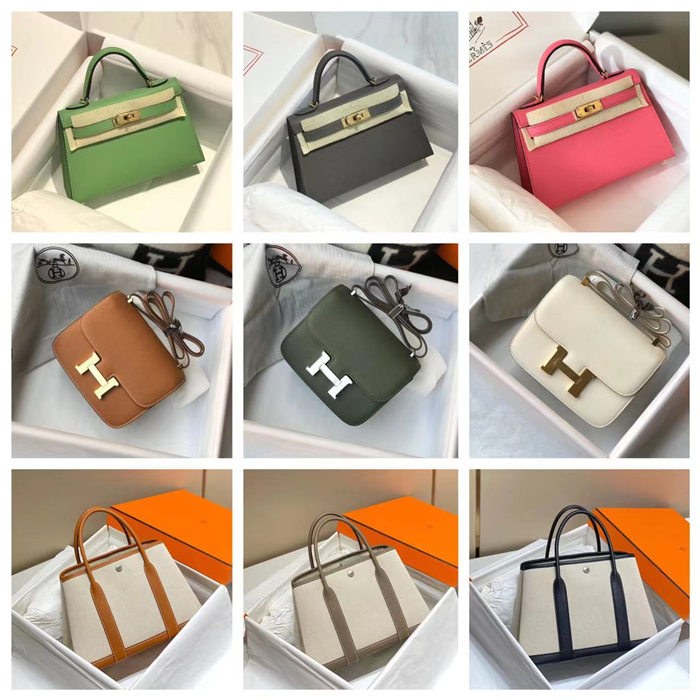
- Luxury Replica Jewelry: A Closer Look into the Trend.
- Top-Notch Luxury Women's Shoes Replicas Take Center Stage!
- How to Replicate Luxury Bag Accessories: A Guide to Quality Replication
- Luxury High-End Men's Pants Replication: The Ultimate Guide to Replicating Success
- Where to Find Luxury Replica Stores in Harbin City
- Luxury毛衣手工复刻价格探讨 或者简洁一点: 奢侈品毛衣手工复刻成本分析
- "Luxury Men's Shoes Replication: Live Streaming the Latest"
- "Luxury Replica Short-Sleeve Brands: The Ultimate Guide to High-End Fashion"