

Is it Difficult to Distinguish between Fake and Authentic Bags? 或者你可以考虑使用这个标题: Difficult to Distinguish A-Grade Bags from Real Ones?
Is it Difficult to Distinguish between Fake and Authentic Bags?
或者你可以考虑使用这个标题:
Difficult to Distinguish A-Grade Bags from Real Ones?,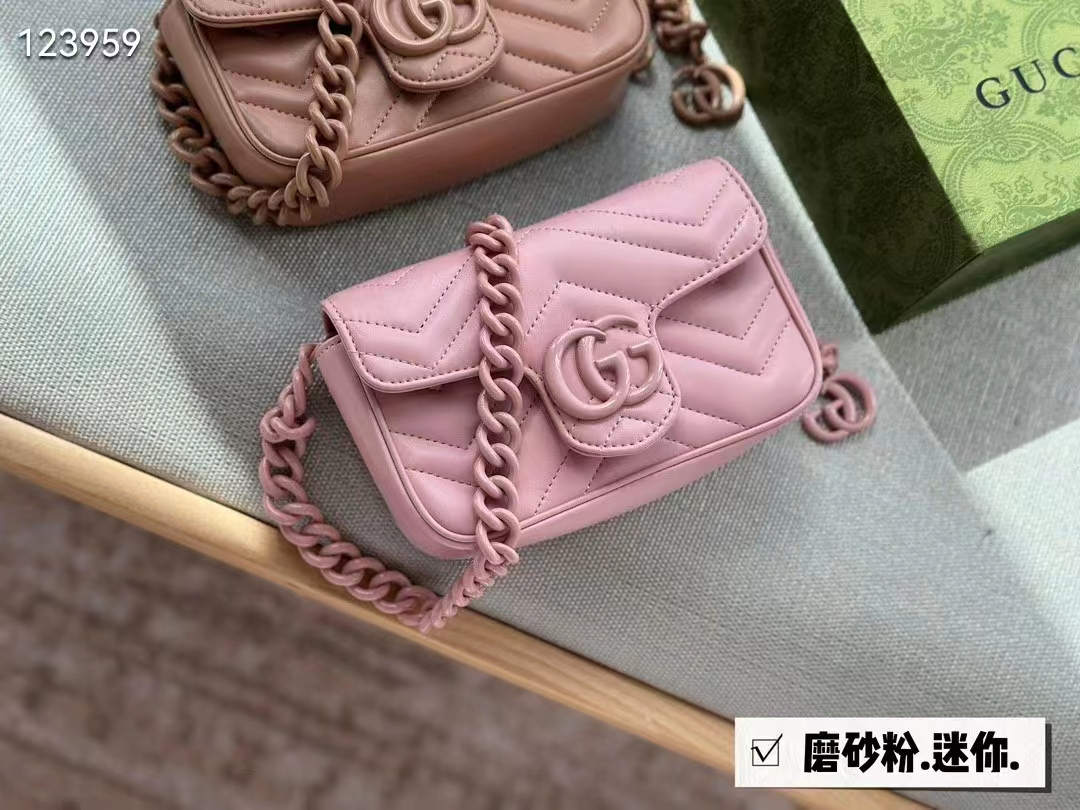
**Are A-Grade Goods and Authentic Products Difficult to Distinguish?**
Introduction:
In today's market, the proliferation of A-grade goods, often referred to as "replicas" or "replicas with high quality," has become a widespread phenomenon. These products are designed to imitate the appearance and quality of genuine branded items, often to such an extent that it becomes challenging to distinguish them from the original products. The lack of authenticity often attracts budget-conscious shoppers or those looking for similar style without the high price tag. However, the question remains: are A-grade goods truly difficult to differentiate from genuine products?In many cases, the answer depends on several factors.
Comparison of A-Grade Goods and Authentic Products:
Firstly, the level of quality control and materials used in the production of genuine products often set them apart from A-grade goods. Authentic branded items are typically produced under strict quality control measures, using high-quality materials and craftsmanship that are evident in their overall quality and lifespan. In contrast, A-grade goods may have a similar appearance but may not offer the same durability or quality in finer details.Secondly, the attention to detail is often a key factor in identifying genuine products. Brands often have distinct trademarks, labels, or unique features that are replicated poorly in A-grade goods. For instance, logos or printing may appear slightly off-center or have a lower resolution than the original. In addition, close examination of packaging, tags, or accompanying documents can often reveal subtle differences.
Moreover, the overall shopping experience can also provide clues. While A-grade goods may offer a reasonable price point, genuine products often come with additional benefits such as brand reputation, customer service, and after-sales support. Additionally, buying from authorized dealers or official websites minimizes the risk of purchasing counterfeit goods.
Conclusion:
While it may be challenging to distinguish between A-grade goods and genuine products, it is not an impossible task. Close examination of quality, attention to detail, and purchasing from reliable sources can help consumers make informed decisions. Ultimately, consumers should be cautious about what they are purchasing and consider whether the cost-effectiveness and quality meet their expectations. In many cases, investing in genuine branded products offers peace of mind and a better overall value for money in terms of quality, durability, and brand reputation.However, for those who are looking for affordable alternatives without compromising on quality too much, A-grade goods can be a viable option if they are purchased from reliable sources and examined closely before making the purchase.
In conclusion, while there may be some overlap in quality between A-grade goods and genuine products, education about brands, attention to detail, and careful shopping practices can help consumers make the right choices.
- Luxury Replica Jewelry: A Closer Look into the Trend.
- Top-Notch Luxury Women's Shoes Replicas Take Center Stage!
- How to Replicate Luxury Bag Accessories: A Guide to Quality Replication
- Luxury High-End Men's Pants Replication: The Ultimate Guide to Replicating Success
- Where to Find Luxury Replica Stores in Harbin City
- Luxury毛衣手工复刻价格探讨 或者简洁一点: 奢侈品毛衣手工复刻成本分析
- "Luxury Men's Shoes Replication: Live Streaming the Latest"
- "Luxury Replica Short-Sleeve Brands: The Ultimate Guide to High-End Fashion"