

Luxury Goods Reproduction: 1:1 Reproduction Processing 这个标题高度概括了买奢侈品后进行一比一加工的主题,并且在保证信息传达准确的同时,简洁明了地使用了关键词。
Luxury Goods Reproduction: 1:1 Reproduction Processing
这个标题高度概括了买奢侈品后进行一比一加工的主题,并且在保证信息传达准确的同时,简洁明了地使用了关键词。,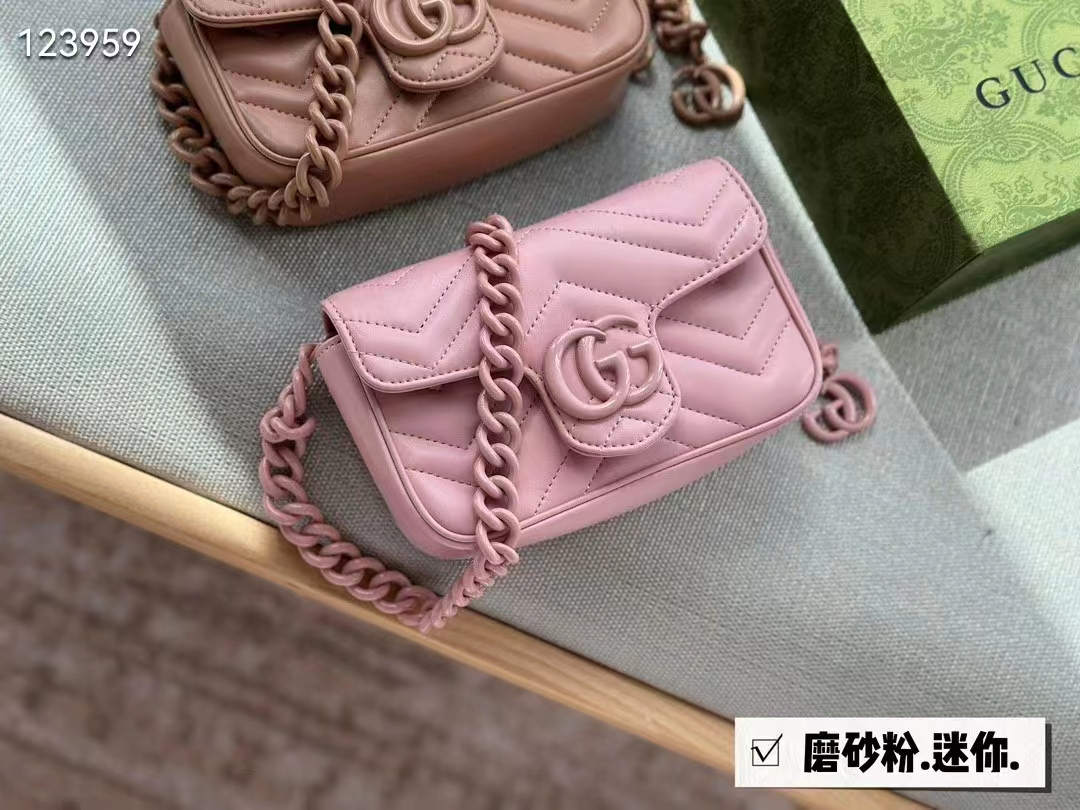
Luxury Goods Replication: A Fine Art or a Dilemma?
In today's globalized world, the phenomenon of buying luxury goods and then replicating them at a 1:1 scale has become a subject of both intrigue and controversy. This practice, which involves investing in expensive products followed by meticulous reproduction efforts, challenges the concept of original luxury while creating opportunities for personal customization and a creative exploration of craftsmanship.
The Rise of Replication as an Art Form
For some enthusiasts, buying luxury items isn’t merely about purchasing expensive merchandise; it’s an exercise in the pursuit of perfection and excellence. They consider replication as a craft that transforms a mundane experience into an extraordinary one. By investing in original luxury goods, they gain insights into the intricate designs and quality materials used in their creation. Then, through meticulous one-to-one replication, they are able to replicate these designs in their own workshops or at home, often using similar or alternative materials.
This practice is not just about materialistic pursuits but rather an embodiment of a cultural expression and a personal sense of style. These individuals are often skilled in various craft techniques that allow them to accurately replicate the intricate details of luxury goods. Their aim is not necessarily to create fakes but rather to explore design concepts, craftsmanship, and material combinations.
The Dilemma of Intellectual Property and Quality Standards
However, this practice is not without its challenges. The legality of replicating luxury goods becomes a grey area when intellectual property rights are breached or when low-quality replicas are sold as originals. Such behavior not only infringes on the rights of luxury brands but also undermines consumer confidence in the market.
Moreover, the quality of these replicas is often a subject of scrutiny. While some enthusiasts strive for authenticity in their replicas, others may compromise on quality to satisfy their financial objectives or market demand. This results in a proliferation of inferior replicas that not only tarnish the reputation of luxury brands but also pose potential risks to consumers.
In conclusion, the practice of buying luxury goods and then replicating them at a 1:1 scale represents a complex intersection of personal creativity, craftsmanship, intellectual property rights, and consumer protection issues. It remains crucial to strike a balance between respecting intellectual property rights and fostering innovation in craftsmanship while ensuring quality standards are met.
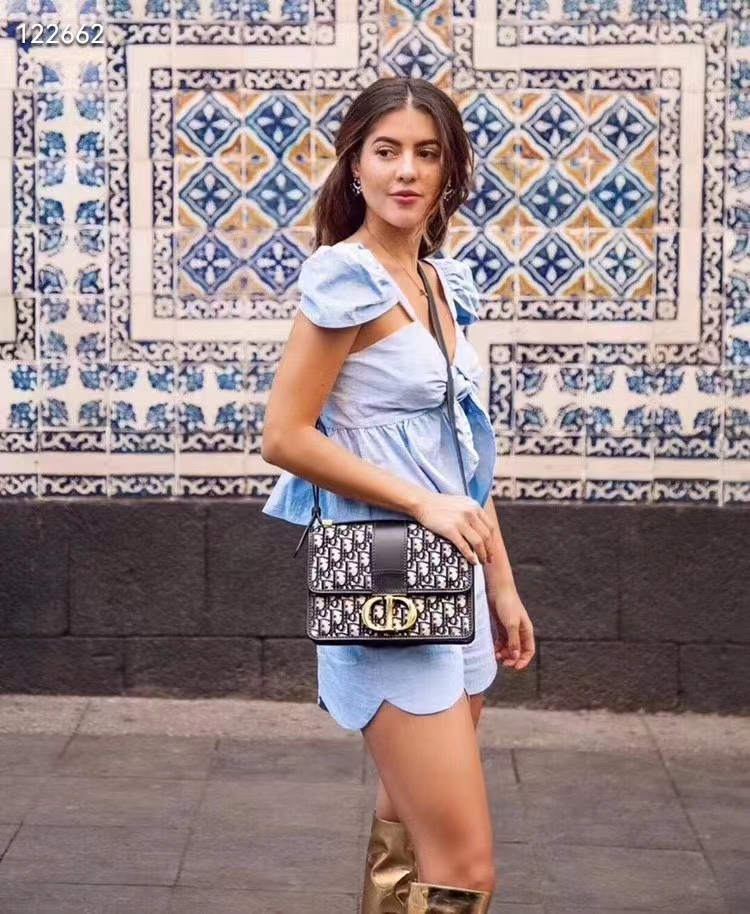
- Luxury Replica Jewelry: A Closer Look into the Trend.
- Top-Notch Luxury Women's Shoes Replicas Take Center Stage!
- How to Replicate Luxury Bag Accessories: A Guide to Quality Replication
- Luxury High-End Men's Pants Replication: The Ultimate Guide to Replicating Success
- Where to Find Luxury Replica Stores in Harbin City
- Luxury毛衣手工复刻价格探讨 或者简洁一点: 奢侈品毛衣手工复刻成本分析
- "Luxury Men's Shoes Replication: Live Streaming the Latest"
- "Luxury Replica Short-Sleeve Brands: The Ultimate Guide to High-End Fashion"