

Is "One-to-One" Luxury Fake?
Is "One-to-One" Luxury Fake?,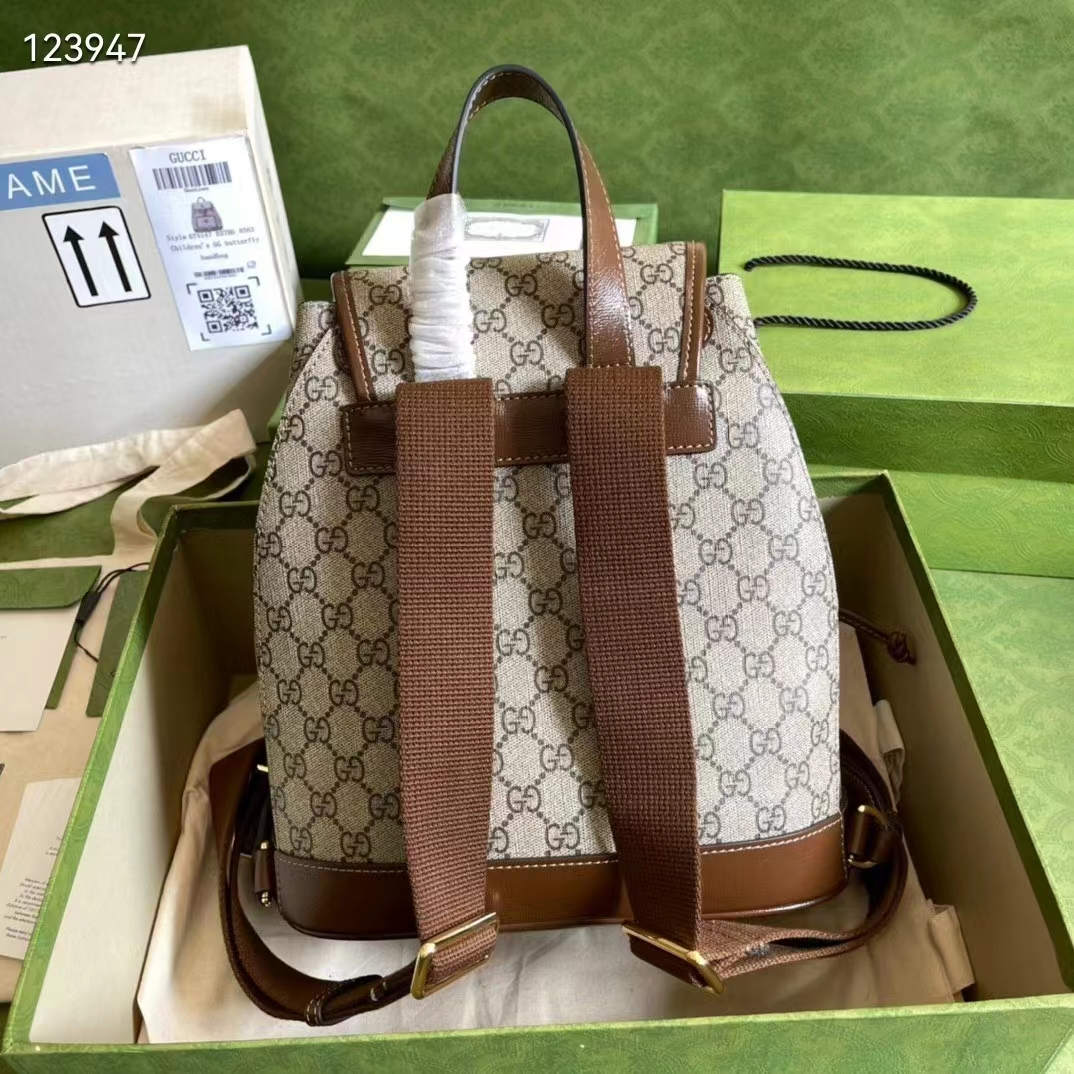
**The Authenticity of Luxury Goods at a One-to-One Ratio**
Introduction
In the realm of luxury goods, the concept of "one-to-one ratio" often arises, creating a buzz around authenticity and quality. This ratio refers to the perceived balance between the cost of a product and its quality, implying that for every unit of cost, there is an equal or superior unit of quality. However, with the rise of counterfeit goods in the market, the question of whether these luxury items at a one-to-one ratio are genuine becomes a pertinent one.The first aspect to consider is the proliferation of replicas in the luxury market. As the demand for exclusive and high-end products increases, so do the chances of encountering fakes. These replicas often closely mimic the genuine product in terms of design, material, and even manufacturing processes, making it difficult for the untrained eye to discern the difference.
Moreover, the complex supply chain of luxury goods adds another layer of complexity. There are numerous intermediaries involved in the distribution process, each with their own margin of profit. In some cases, this can lead to a situation where the retail price is inflated due to various factors, including branding and perceived value rather than actual cost of production.
Assessing Authenticity
When considering the authenticity of a luxury item at a one-to-one ratio, several factors need to be examined. Firstly, one should inspect the product for any signs of genuine branding and manufacturing details. This includes examining logos, labels, and any unique craftsmanship that might be characteristic of the brand.
Secondly, research into the specific product's history and production process is crucial. Understanding where and how the item is made, as well as any specific quality control measures undertaken by the brand, can help validate its authenticity. Additionally, buying from authorized dealers or official online platforms can reduce the risk of purchasing fakes.
Thirdly, consumers should be aware of the risks associated with what seems too good to be true. If a luxury item is priced significantly lower than its usual retail value, it could be a sign of a counterfeit product. While there may be legitimate reasons for such pricing (e.g., sales or special offers), it is essential to be cautious and verify the authenticity through reliable sources.
Conclusion
The authenticity of luxury goods at a one-to-one ratio is not always straightforward. It requires a combination of meticulous research, attention to detail, and caution when purchasing. As consumers become more aware of the risks involved in buying luxury items, they also need to develop an understanding of how to validate their authenticity. By following these guidelines and being vigilant, one can navigate the luxury goods market more confidently.
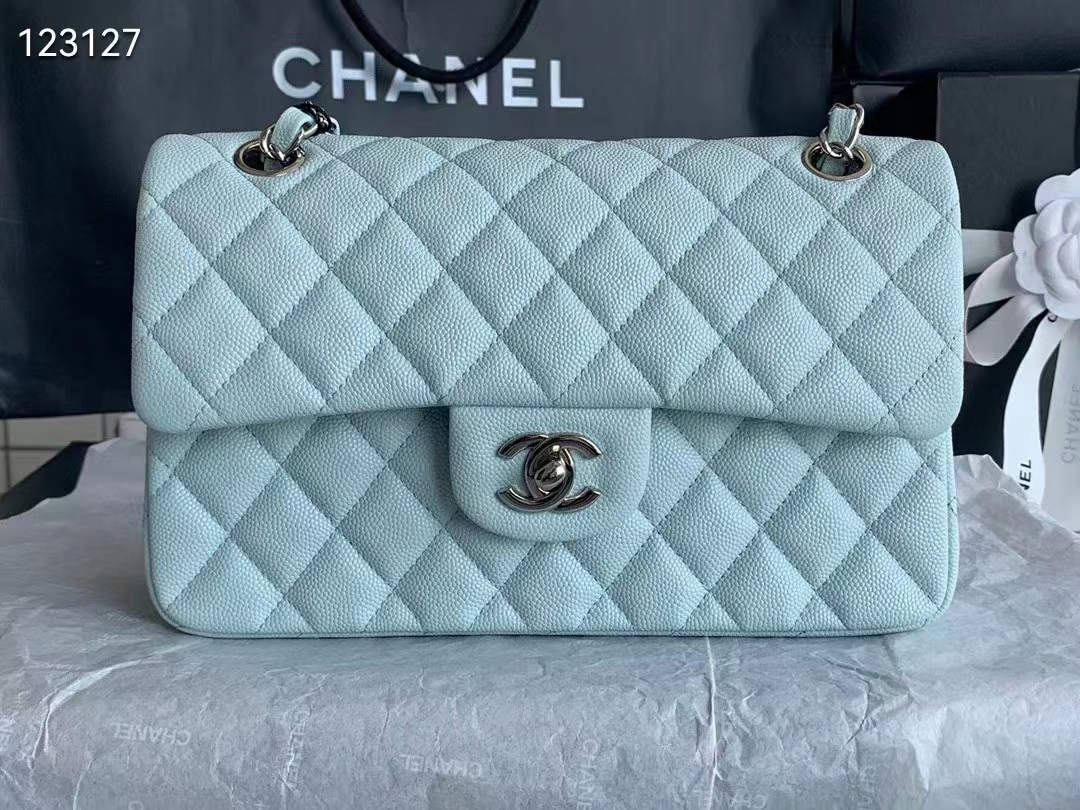
- Luxury Replica Jewelry: A Closer Look into the Trend.
- Top-Notch Luxury Women's Shoes Replicas Take Center Stage!
- How to Replicate Luxury Bag Accessories: A Guide to Quality Replication
- Luxury High-End Men's Pants Replication: The Ultimate Guide to Replicating Success
- Where to Find Luxury Replica Stores in Harbin City
- Luxury毛衣手工复刻价格探讨 或者简洁一点: 奢侈品毛衣手工复刻成本分析
- "Luxury Men's Shoes Replication: Live Streaming the Latest"
- "Luxury Replica Short-Sleeve Brands: The Ultimate Guide to High-End Fashion"