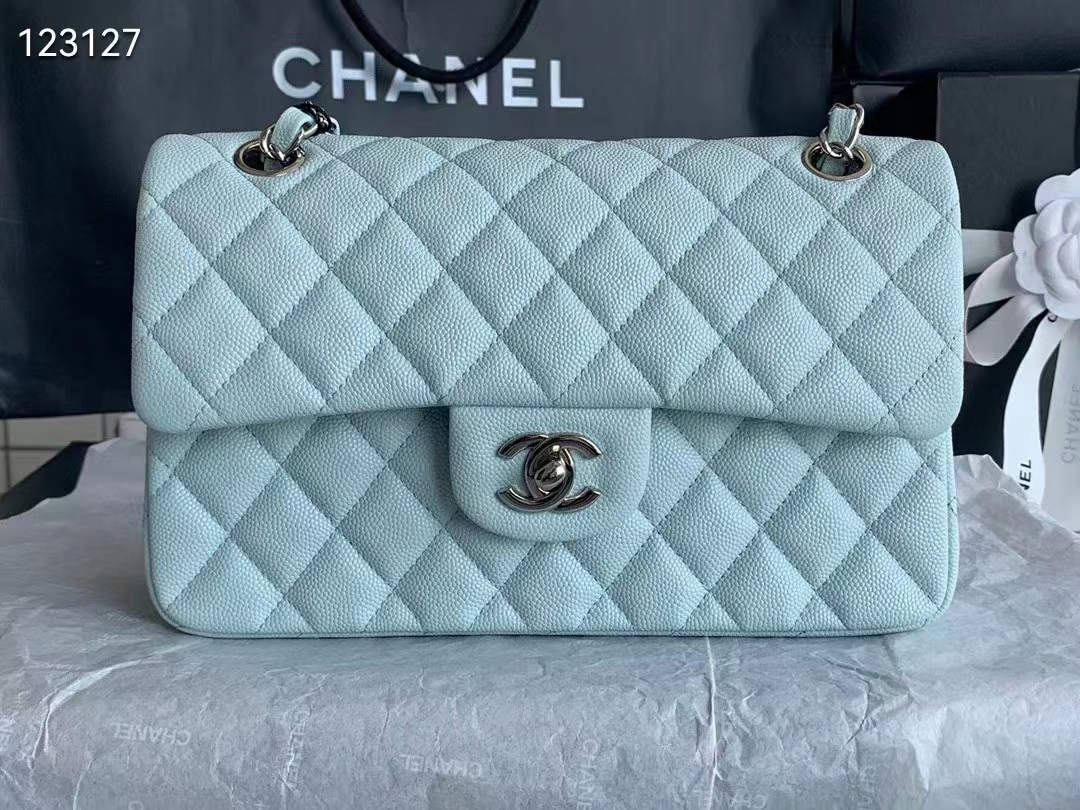

Luxury Replicas at the Highest Level in 2014: A Review of the Year's Trends.
Luxury Replicas at the Highest Level in 2014: A Review of the Year's Trends.,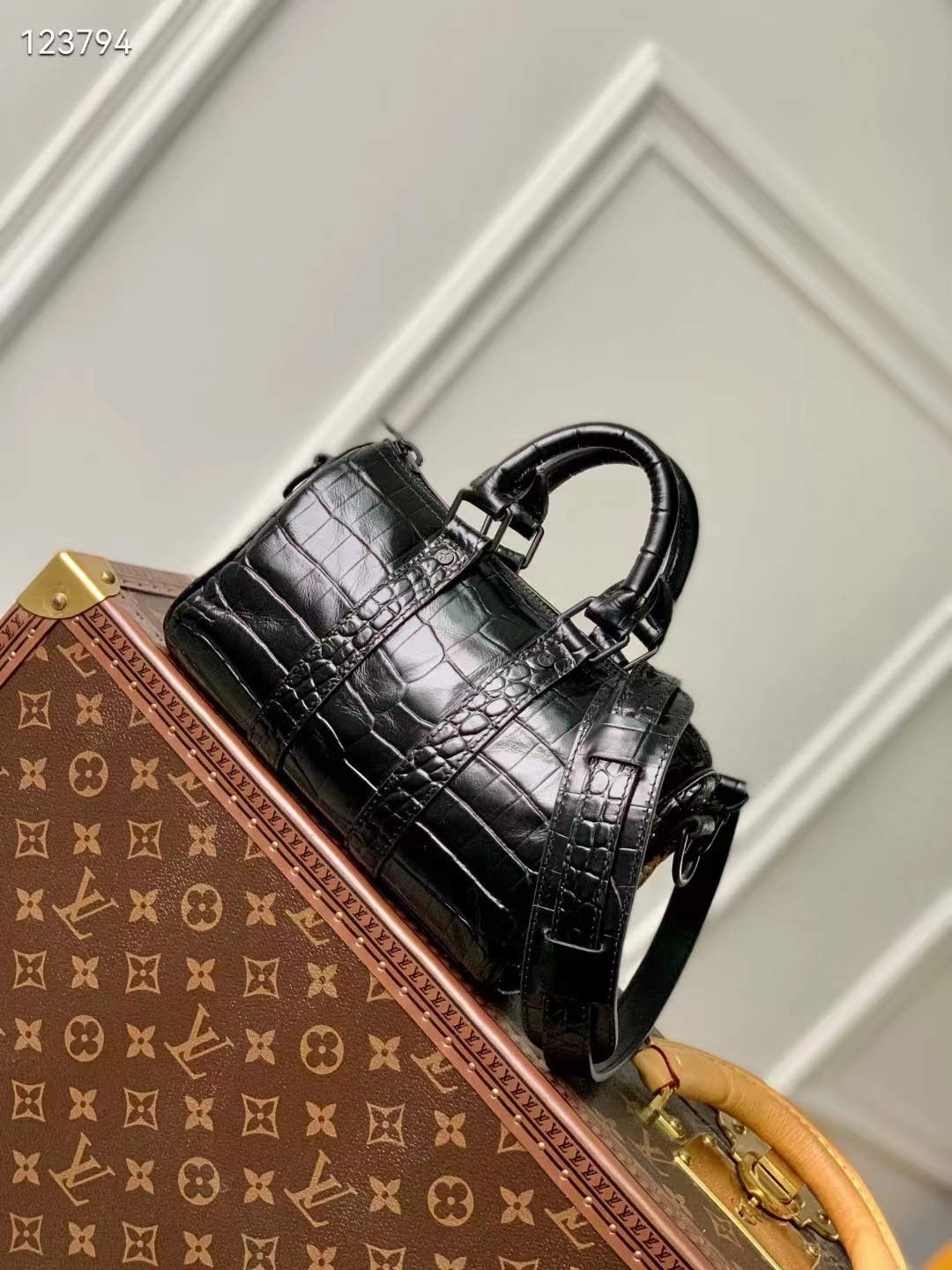
Luxury Brand Replication at its Finest in 2014
In the world of luxury goods, 2014 marked a significant milestone in the evolution of high-end replication. As the demand for exclusive and premium products continued to grow, luxury brands found themselves under pressure to not only meet this demand but also to replicate their designs with impeccable quality and attention to detail.
The Evolution of Luxury Replicas
In recent years, the term "luxury replica" has undergone a transformation. No longer seen as mere knockoffs or cheap imitations, high-end replicas now offer a genuine premium experience that is attainable for a wider audience. The key lies in the meticulous attention to detail and use of premium materials that go into creating these replicas.
In 2014, luxury brands such as Gucci, Chanel, and Louis Vuitton embraced the trend of high-end replication. They understood that by providing an alternative to their expensive original designs, they could reach out to a wider consumer base and expand their market share. This strategy proved successful in catering to the desires of those who wanted to own a piece of luxury without breaking their bank.
Moreover, these luxury brand replicas offered a new dimension to fashion and design. They encouraged creativity and customization, allowing consumers to experiment with different styles and designs without having to shell out large sums of money. This paved the way for designers and manufacturers to push the boundaries of replica making, elevating it to an art form.
The rise of social media and e-commerce further propelled the popularity of high-end replicas. Consumers could easily find reviews, compare products, and make informed decisions about which replica to buy. This transparency in the market made the replica industry more competitive, leading to a better quality of products and services.
Quality vs. Affordability
Despite the rise of luxury replica culture, authenticity and quality remained paramount. Consumers were cautious about buying low-quality replicas that might not last long or didn't meet their standards of excellence. This pushed manufacturers to adopt stringent quality control measures and use genuine materials in their replicas.
In conclusion, 2014 marked a turning point for the luxury replica industry as it embraced innovation and quality, elevating it to new heights. By balancing affordability with luxury standards, these brands successfully captured the attention of a wide consumer base and established themselves as market leaders in the replication sector.