

Title: The Difference between Fake and Authentic Bags: A Guide to Spotting the Differences 这个标题简洁明了,包含了关键词,且易于理解。
Title: The Difference between Fake and Authentic Bags: A Guide to Spotting the Differences
这个标题简洁明了,包含了关键词,且易于理解。,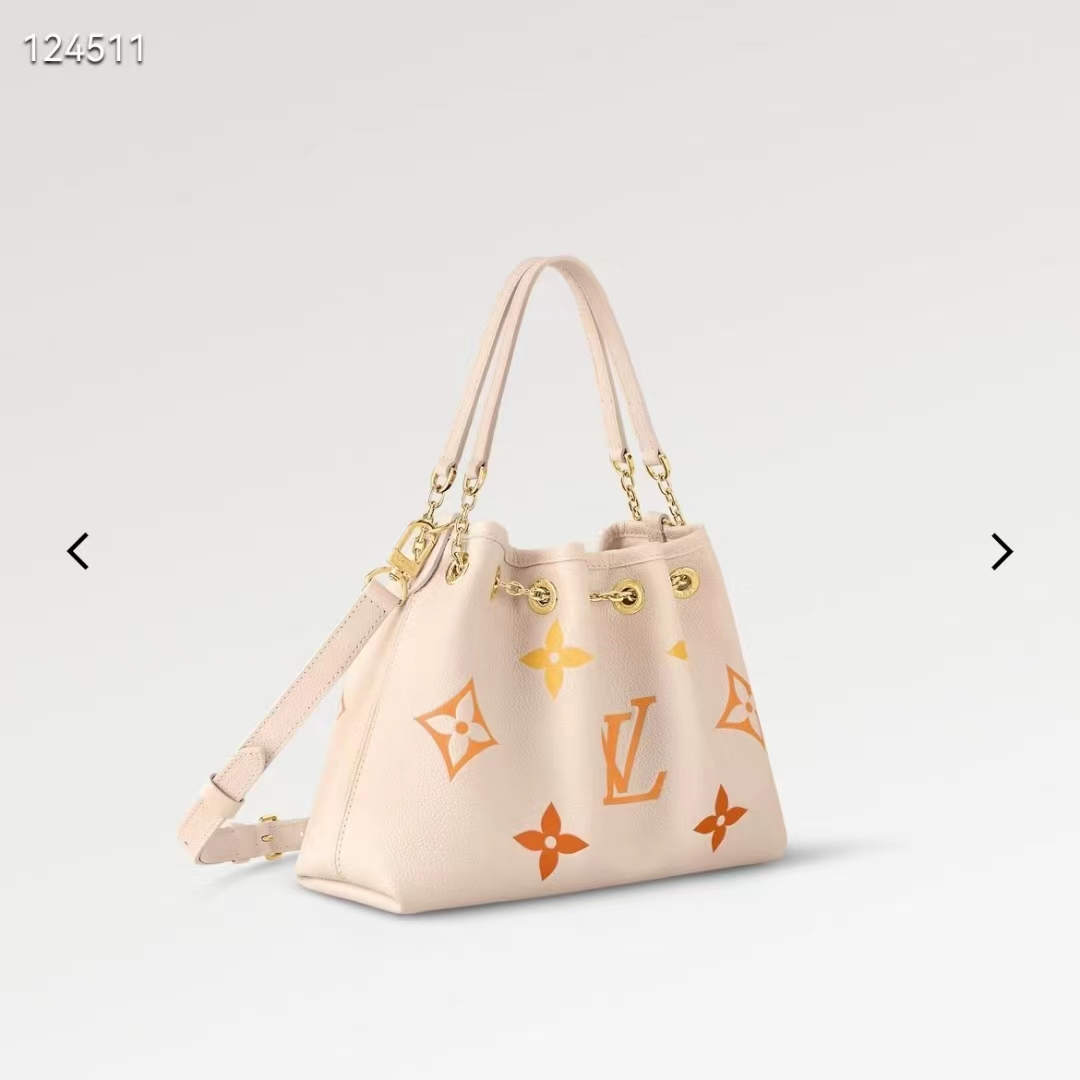
**The Difference between Fake Goods and Authentic Products: A Comparative Analysis**
Introduction
In the modern era of consumer culture, the concept of authenticity has gained immense importance. The market for luxury goods is vast, and with the rise of online shopping, the demand for genuine products has become paramount. However, the prevalence of counterfeit goods, often referred to as "A-grade replicas" or "high-quality fakes," has become a significant challenge for both consumers and manufacturers. This article aims to explore the fundamental differences between fake or counterfeit goods commonly known as "Bag A" and the genuine products.Firstly, it is crucial to understand the fundamental concept of authenticity in products. Authentic products are those that have been manufactured by the original brand, using authorized methods and materials. They often come with genuine quality assurance certificates, warranties, and brand logos that meet strict standards of quality control. The manufacturing process is usually closely monitored and regulated, ensuring adherence to safety regulations and consumer protection laws.
Quality and Origin
In contrast, "Bag A" or counterfeit goods are often produced in unauthorized conditions, using inferior materials and sometimes even substandard manufacturing techniques. These products often aim to replicate the look and feel of genuine items but fall short in terms of quality and durability. Although they may share similar visual characteristics, the materials used in fakes are often inferior, leading to a noticeable difference in texture, color, and overall finish. Furthermore, these counterfeit goods lack genuine quality control measures and are not backed by official warranties or certifications.
Another key difference lies in the impact on consumers. Buying genuine products ensures safety, authenticity, and a certain level of brand reliability. By purchasing authentic items, consumers are protected from potential health risks associated with poor quality materials or manufacturing defects. Moreover, genuine products often come with after-sales support and service, ensuring a positive shopping experience.
Counterfeit goods, on the other hand, often lack these guarantees. Consumers who opt for fake products may end up with items that quickly deteriorate in quality or functionality. In addition, buying fakes can also damage the reputation of the original brand and support illegal manufacturing activities that often have negative environmental and social impacts.
Conclusion
The distinction between genuine and counterfeit products is not just about appearance or price. It is about ensuring consumer safety, supporting legitimate businesses, and preserving the integrity of brands. While counterfeit goods may offer a tempting alternative for budget-conscious shoppers, investing in genuine products offers long-term value, peace of mind, and a commitment to ethical shopping practices. Understanding the difference between the two is crucial in making informed purchasing decisions in today's global marketplace.
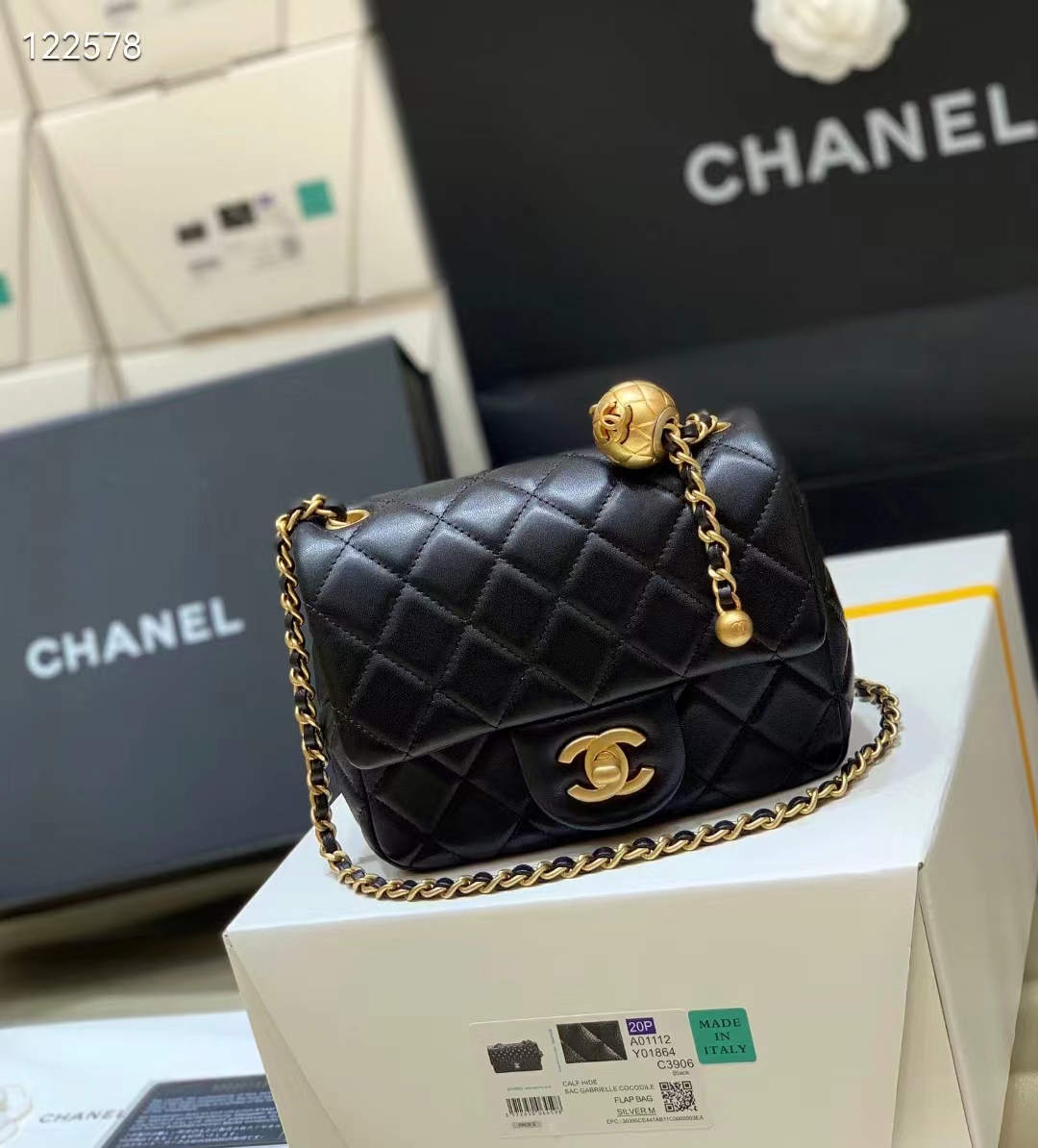
- Luxury Replica Jewelry: A Closer Look into the Trend.
- Top-Notch Luxury Women's Shoes Replicas Take Center Stage!
- How to Replicate Luxury Bag Accessories: A Guide to Quality Replication
- Luxury High-End Men's Pants Replication: The Ultimate Guide to Replicating Success
- Where to Find Luxury Replica Stores in Harbin City
- Luxury毛衣手工复刻价格探讨 或者简洁一点: 奢侈品毛衣手工复刻成本分析
- "Luxury Men's Shoes Replication: Live Streaming the Latest"
- "Luxury Replica Short-Sleeve Brands: The Ultimate Guide to High-End Fashion"