

标题可以是:Authentic Bags for Sale, Purchase A-Grade Replicas 这个标题围绕着卖真包买A货这一主题,同时控制在不超过40个字符的范围内。
标题可以是:Authentic Bags for Sale, Purchase A-Grade Replicas
这个标题围绕着卖真包买A货这一主题,同时控制在不超过40个字符的范围内。,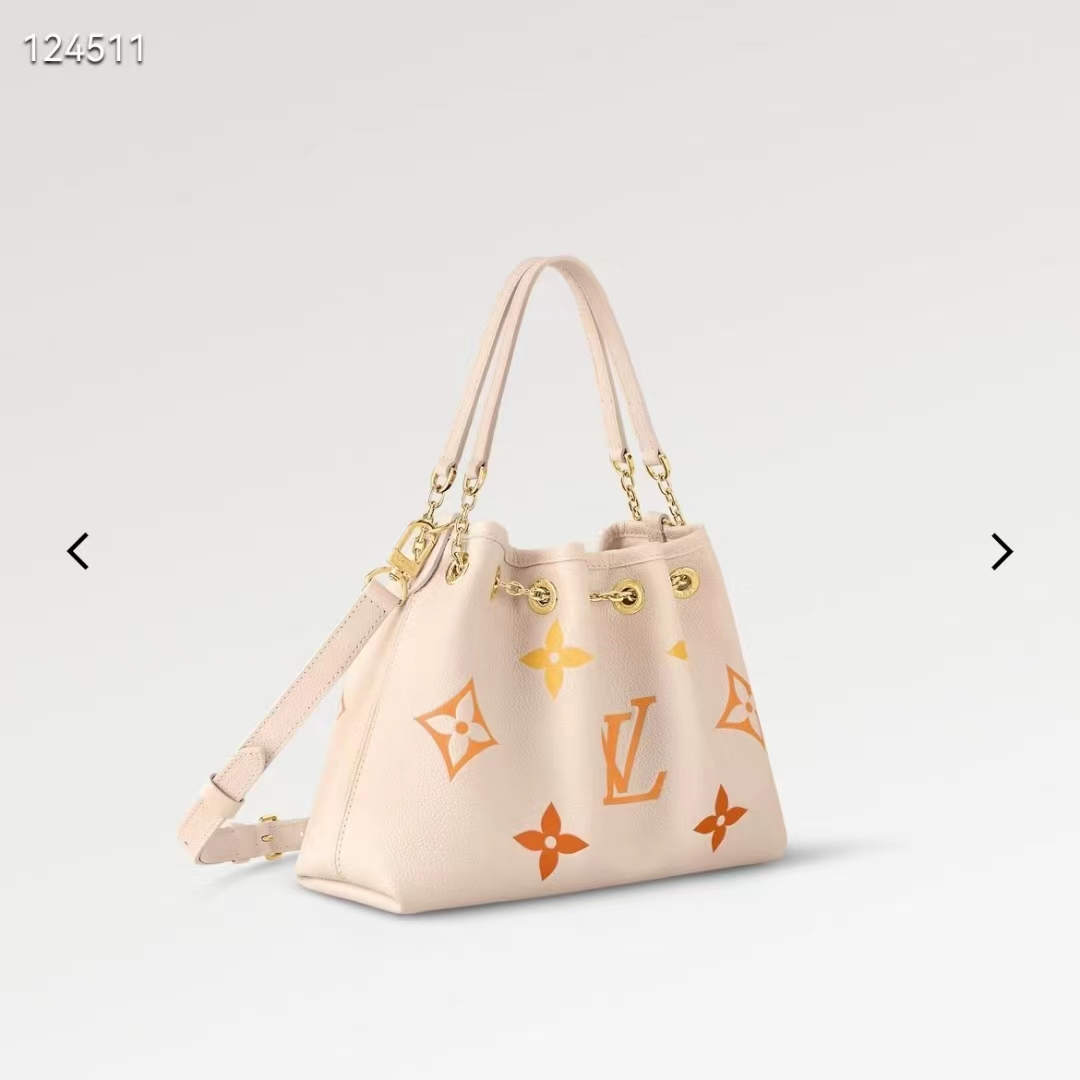
The Gray Area of Selling Authentic Bags and Buying A-Grade Goods
In the contemporary world of retail and consumer goods, the distinct line between genuine products and their knockoff counterparts often becomes blurred. This trend is particularly evident in the luxury bag market, where the concept of buying A-grade or "designer replica" bags has become prevalent among consumers. The practice of selling genuine bags alongside A-grade alternatives presents a complex issue that touches on consumer rights, ethical shopping, and legal boundaries.
The Reality of Selling Authentic Bags
For businesses selling genuine luxury bags, maintaining authenticity is paramount. Their reputation and credibility hinge on the authenticity of their products. In this context, selling genuine bags ensures brand trust and customer satisfaction. However, the emergence of A-grade alternatives in the market poses a challenge for both consumers and businesses.
Some consumers opt for buying A-grade or "designer replica" bags due to their affordability and the close resemblance to the genuine product. These replicas are often meticulously crafted to imitate the original design and quality, making them an attractive option for those who desire luxury without the high price tag.
The Dilemma of Selling A-Grade Goods
For sellers offering both genuine and A-grade bags, the practice often operates in a delicate gray area. While some offer genuine products with transparency and integrity, others capitalize on the demand for cheaper alternatives by selling replicas as genuine.
This practice poses ethical and legal challenges. From an ethical perspective, selling A-grade bags as genuine misleads consumers and undermines fair competition in the market. Legally speaking, selling replicas as genuine may constitute fraud and violate trademark laws.
Navigating the Gray Area
Navigating this gray area requires a balanced approach that considers consumer education, seller accountability, and legal frameworks.
Firstly, consumers need to be educated about the difference between genuine and replica products. They should be encouraged to shop with authenticity in mind and not solely based on price or appearance.
Sellers have a responsibility to sell genuine products with transparency and disclose any information about the authenticity of their products. They should avoid capitalizing on consumer misperceptions by selling replicas as genuine.
Lastly, legal frameworks need to be updated to address the issue of selling replicas as genuine and provide clear-cut regulations to protect consumers and ensure fair competition in the market.
Conclusion
In conclusion, the practice of selling authentic bags alongside A-grade alternatives presents a complex issue that requires a multifaceted approach to address. By fostering consumer education, seller accountability, and strengthening legal frameworks, we can navigate this gray area towards a more ethical and sustainable retail landscape.
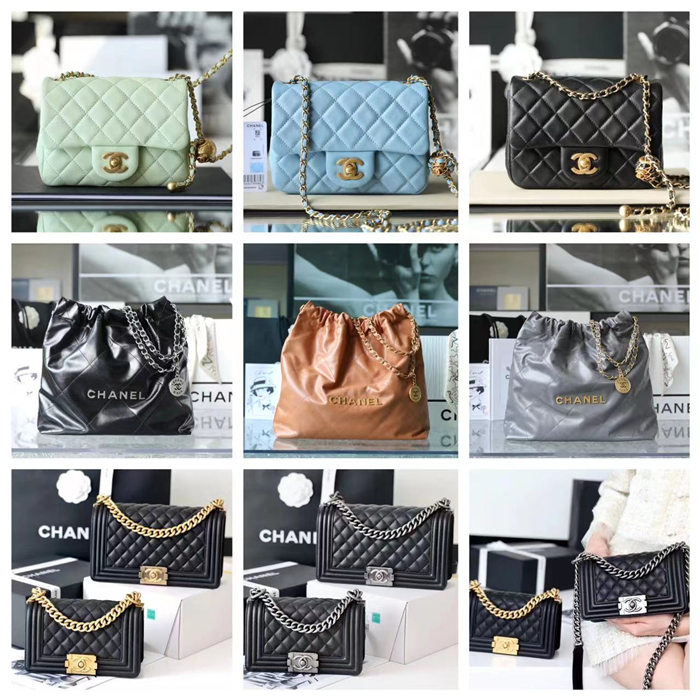
- Luxury Replica Jewelry: A Closer Look into the Trend.
- Top-Notch Luxury Women's Shoes Replicas Take Center Stage!
- How to Replicate Luxury Bag Accessories: A Guide to Quality Replication
- Luxury High-End Men's Pants Replication: The Ultimate Guide to Replicating Success
- Where to Find Luxury Replica Stores in Harbin City
- Luxury毛衣手工复刻价格探讨 或者简洁一点: 奢侈品毛衣手工复刻成本分析
- "Luxury Men's Shoes Replication: Live Streaming the Latest"
- "Luxury Replica Short-Sleeve Brands: The Ultimate Guide to High-End Fashion"