

Is it Prohibited to Carry A-Grade Bags in Europe?
Is it Prohibited to Carry A-Grade Bags in Europe?,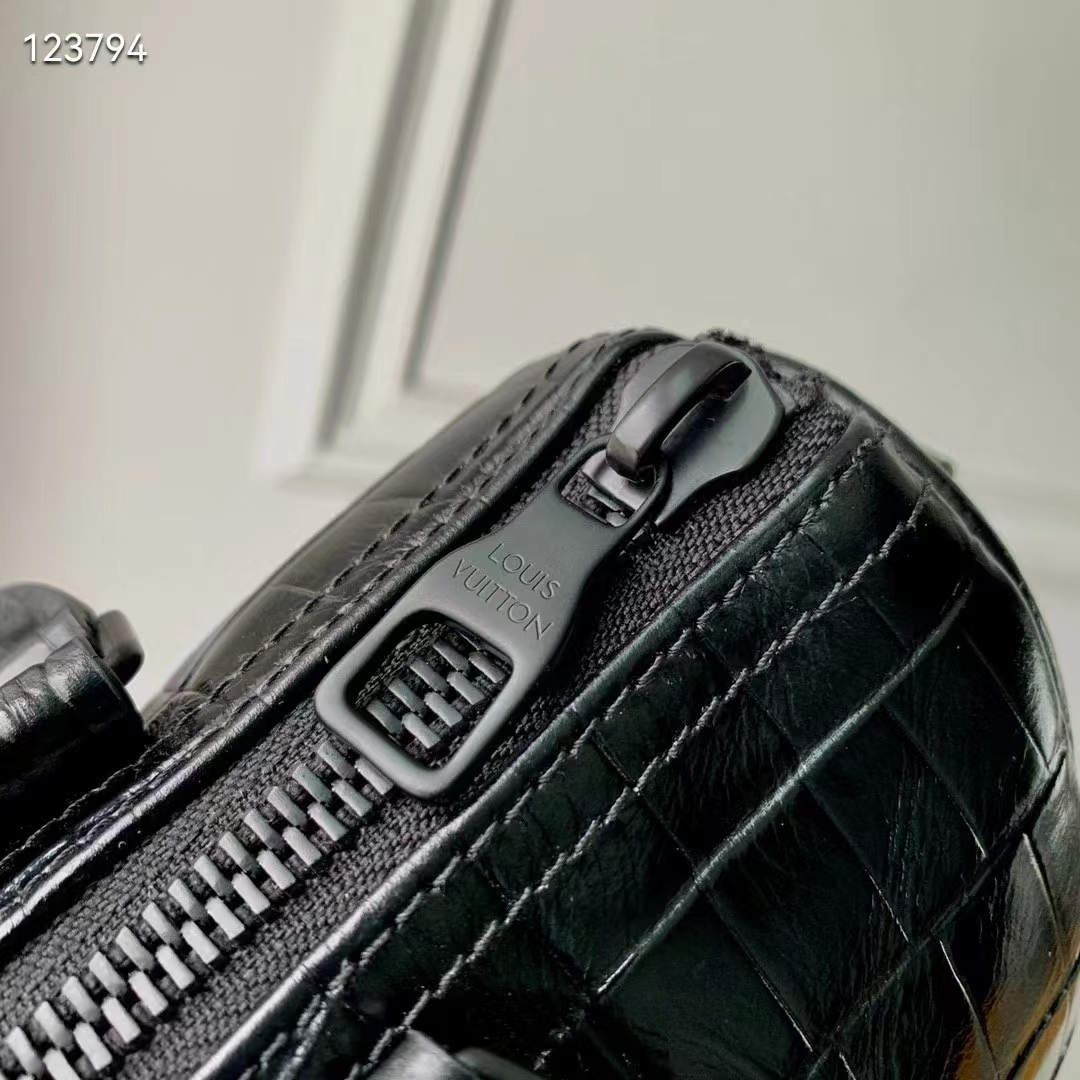
The Issue of Carrying A-Grade Goods in Europe
Europe is renowned for its diverse culture, sophisticated fashion sense, and strict regulations on the sale and possession of goods. In recent years, the issue of carrying A-grade goods, commonly known as "A货" in China, has become a subject of interest and controversy in Europe. A-grade goods are replicas that imitate the design and quality of genuine luxury items, often at a lower price point. However, their legality and acceptance in Europe vary from country to country.
欧洲对A货包的规定
In most European countries, there are no specific laws banning the possession of A-grade goods, including handbags and other accessories. However, the sale and marketing of such items may be subject to strict regulations. The European Union (EU) has strict regulations on the sale of counterfeit goods, which A-grade goods may sometimes fall under if they are proven to be misleading or deceptively similar to genuine products. Therefore, while individuals may not be prohibited from carrying A-grade goods, the legal landscape can be complex.
Furthermore, cultural and societal attitudes play a significant role. While some Europeans may appreciate the affordability and quality of A-grade goods, others may view them as a sign of disrespect towards intellectual property rights and luxury brands. In this context, it is important for individuals to be aware of the local culture and customs before carrying any item that could potentially be perceived as controversial.
总结
In summary, Europe does not have a blanket ban on carrying A-grade goods, but individuals should be mindful of the legal complexities and cultural sensitivities surrounding them. The sale of such items is often subject to strict regulations, while their acceptance among the general public varies. It is advisable to research and understand the local laws, culture, and customs before carrying any item that could potentially be considered a counterfeit or a grey area. Moreover, respecting intellectual property rights and supporting genuine brands remains a responsible and appreciated approach in any region.
In conclusion, while Europe does not prohibit the carrying of A-grade goods outright, it is important to remain vigilant and informed about the legal and cultural implications associated with them. This approach ensures not only personal safety but also respect for the region's norms and values.
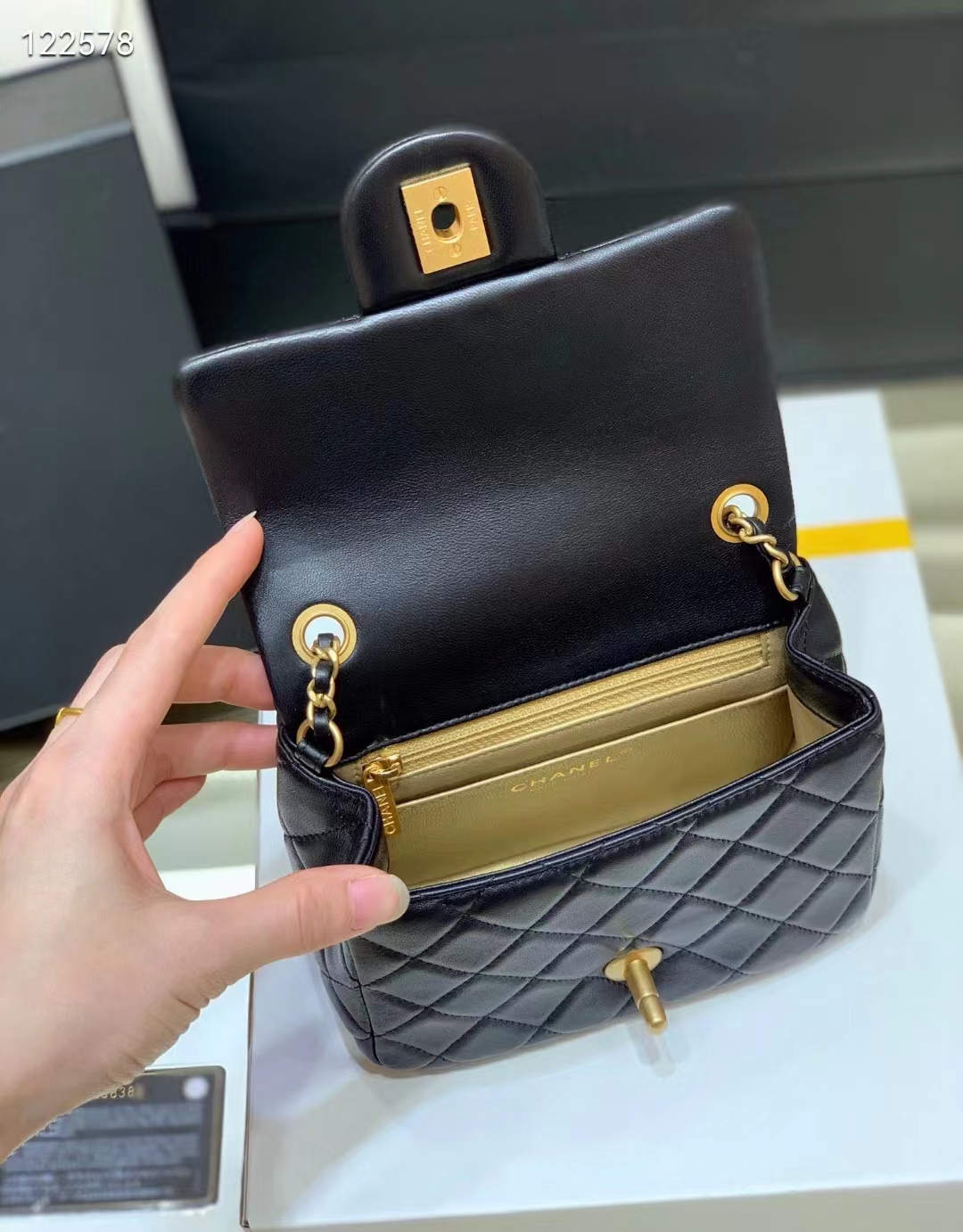
- Luxury Replica Jewelry: A Closer Look into the Trend.
- Top-Notch Luxury Women's Shoes Replicas Take Center Stage!
- How to Replicate Luxury Bag Accessories: A Guide to Quality Replication
- Luxury High-End Men's Pants Replication: The Ultimate Guide to Replicating Success
- Where to Find Luxury Replica Stores in Harbin City
- Luxury毛衣手工复刻价格探讨 或者简洁一点: 奢侈品毛衣手工复刻成本分析
- "Luxury Men's Shoes Replication: Live Streaming the Latest"
- "Luxury Replica Short-Sleeve Brands: The Ultimate Guide to High-End Fashion"